Silksong Characters Guide: NPCs, Roles, Quests & Spoilers
A spoiler-aware guide to reading Silksong characters, separating NPCs from bosses, following quest clues, and checking information without trusting an unverified APK list.
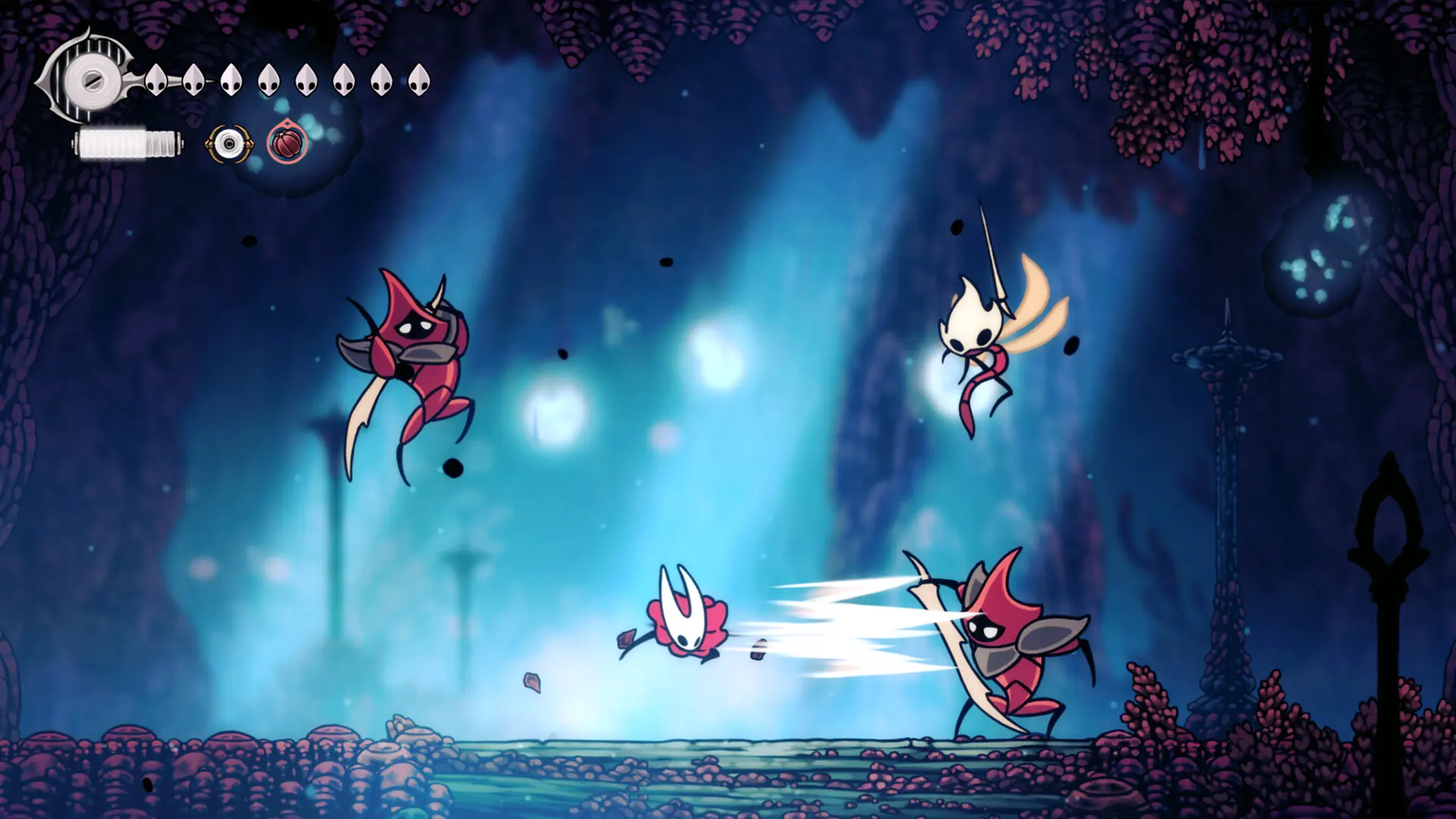
Source and update note
Developer and store pages were checked on September 28, 2026. Names, quest triggers, translations, and patch behavior can change, so current in-game dialogue remains the authority. This guide does not promise an official Android APK or an unlocked character save.
In this guide
How to read Silksong characters without losing the plot
Searches for Silksong characters usually mix a cast list, a reminder about who sells or unlocks something, and a spoiler-heavy quest explanation. A useful guide separates those jobs instead of putting every name in one flat list.
Start with each character's role on your route. Hornet is the playable point of view; an NPC may sell a tool, open a service, provide a task, or move after a conversation. A traveler can point to a region or later meeting, while a boss is usually a combat gate. Roles can change as the story advances.
When a name comes from a wiki or video, note whether it answers a location, reward, dialogue trigger, boss preparation, or ending question. That label keeps screenshots from becoming unverified evidence and helps you return to a safe save.
The useful rule
Track each character by role, region, and next action. A name alone does not prove a quest, reward, or ending is available in your patch.
NPC, ally, boss, and traveler roles
NPC is a broad label. Vendors, crafters, quest-givers, map helpers, and residents need different notes: track inventory and currency for a vendor, the request and completion condition for a quest-giver, and the event that makes a background character relevant.
Allies and travelers can point to a region, locked path, missing item, or return visit. Check for new dialogue after a boss, act change, tool unlock, or delivery instead of assuming one conversation completes the quest.
Keep bosses in a separate column: their arena, reward, and story state may connect, but a boss list is not a character quest list and a nearby character is not automatically the trigger.
- Hornet: The playable lead. Use her current movement, tools, crest, and act as the frame for every other character note.
- Vendor or crafter: A service character. Record the item, price or material, and whether the stock changes after a milestone.
- Quest-giver: A character with a request or chain. Record the wording, region, required item, and return condition.
- Traveler or ally: A moving clue. Note where you met them and which later region or conversation they mention.
- Boss or rival: An encounter gate. Keep combat preparation, reward, and story consequence in separate notes.
A spoiler-light Silksong character roster
Use this table as a tracking framework rather than an invented complete list. It tells you what evidence to collect for each group and where a character entry belongs when a name appears in a guide, video, or save note.
| Group | What the character does | Useful clue | What to verify |
|---|---|---|---|
| Hornet | Explores Pharloom and resolves route gates | Current act, crest, tools, and movement options | The in-game status and current control profile |
| Town services | Sells, crafts, upgrades, or explains systems | Inventory, price, material, or dialogue change | Whether the service is unlocked in your region |
| Quest characters | Starts or advances a request chain | Exact request wording and return location | The item, act, and event needed to continue |
| Travelers | Move through regions and connect separate clues | Last meeting place and promised destination | Whether a new conversation appears after progress |
| Allies and rivals | Frame a conflict, cooperation, or optional route | Dialogue, arena, or item linked to the encounter | The reward and whether the state is reversible |
| Bosses | Test combat and sometimes open a story gate | Arena, attack pattern, and immediate reward | Preparation, save order, and post-fight dialogue |
Names and translations can differ between languages. Keep the original in-game spelling beside a localized note when you are comparing guides.
How to follow a Silksong character quest
Keep a small event log for character quests. Record where you met the character, what they asked for, and what changed afterward; this protects against guides written for another route or patch.
Use a spare save before a choice that sounds final. You need a way back if a reward, dialogue line, or ending condition matters. If a guide skips the trigger and jumps to the reward, treat that step as unverified until your game shows it.
- Record the meeting: Write the region, nearby bench or bellway, the character name, and the first request in your own words.
- Tag the role: Mark the entry as service, quest, traveler, ally, rival, or boss so the next action is clear.
- Check the gate: Look for an act, tool, crest, movement, boss, or item condition before searching for a missing dialogue line.
- Return after progress: Revisit after the relevant event and compare the dialogue, inventory, or route instead of assuming the chain advanced.
- Save the result: Note the reward, new path, and whether the choice can be changed. Keep the backup outside the game folder when possible.
Spoiler levels and missed character clues
A low-spoiler guide should answer where to look without naming every reveal. Start with role and region, then add the smallest clue needed. Medium spoilers can name the item or milestone; high spoilers can explain branches and ending consequences.
Missed clues are often recoverable. A character may move, change dialogue, or wait for a later act. Check for a prerequisite, return visit, map marker, or unfinished conversation before restarting. The in-game journal and map are better evidence than a cropped social post.
For words such as always, never, or all characters, check the date and patch. Translation differences and optional routes can make a confident list look more complete than it is.
- Low spoiler: Use role, region, and a broad prerequisite. This is best for a first playthrough.
- Medium spoiler: Add the named item, act, or boss that opens the next conversation.
- High spoiler: Explain the branch, reward, and ending effect only after warning the reader.
- Missing dialogue: Exhaust the current lines, leave and return, then check the relevant milestone before resetting a save.
- Conflicting list: Compare patch date, language, platform, and source type. Do not merge two lists without checking their assumptions.
Visual references for character tracking
These existing site WebPs are editorial references, not a complete character database. Verify names and quest states in the current game.
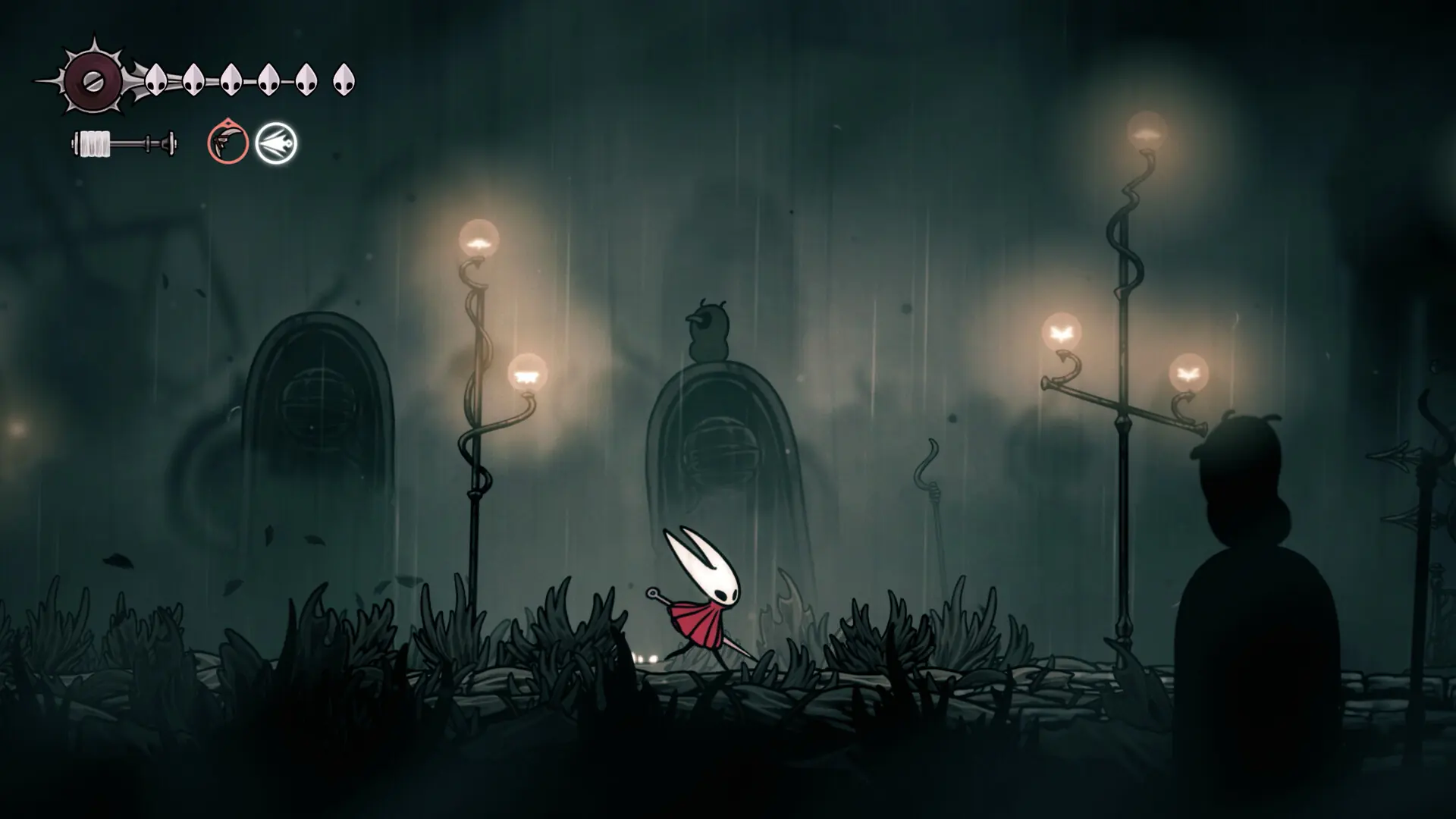

Character sources and APK safety
A character list is not a reason to install an unknown game file. APK pages can copy wiki names and hide an unrelated download; they do not prove a package is official, current, or safe.
Use an official store or developer page for platform context, then use a reputable wiki or your own game for optional details. A store page cannot verify a quest branch or exact character trigger.
Claims that a modified APK unlocks every character or ending are a warning. Do not share a save or sign in through a mirror; remote play from an official copy is safer.
- Check the domain: Prefer the developer, a recognized store, or a maintained reference site. A copied logo is not proof of ownership.
- Check the date: Names, translations, and quest states can follow a patch. An undated list is not current evidence.
- Check the claim: Separate platform facts, gameplay evidence, and speculation instead of treating them as one source.
- Protect your device: Avoid mirrors that demand disabled security, unknown permissions, a login, or a survey.
For platform context, start with the official Silksong site and use the Hollow Knight Wiki entry.
Silksong Characters FAQ
Sources and update context
- Team Cherry / official Silksong site
- Steam: Hollow Knight: Silksong store page
- Hollow Knight Wiki: Silksong reference entry
Checked September 28, 2026. Official pages support platform context; confirm quest and character details in the current game and a dated reference.
Continue with related Silksong guides
Final takeaway
Use Silksong characters as a route system, not a name dump. Record each role, region, request, prerequisite, and result; verify current dialogue and patch, and never treat an APK promise of unlocked characters as proof of a safe or legitimate file.